


When a stomach virus makes you miss work or school, you need a doctors note for stomach virus to excuse your absence. Most people don’t know what makes a note valid or where to get one. Employers and schools have different policies for accepting medical notes. Physicians must also balance your privacy rights with your need for proof of illness. You might wonder whether a telemedicine visit counts, what the note should include, or whether your employer can check the details with your doctor.
This guide explains when you need documentation and what happens during your medical consultation. You’ll learn what a valid note includes and how to get one through an in-person or telemedicine visit. You’ll also see how employers and schools process these notes and what verification limits protect your medical privacy.
When You Need a Doctors Note for Stomach Virus
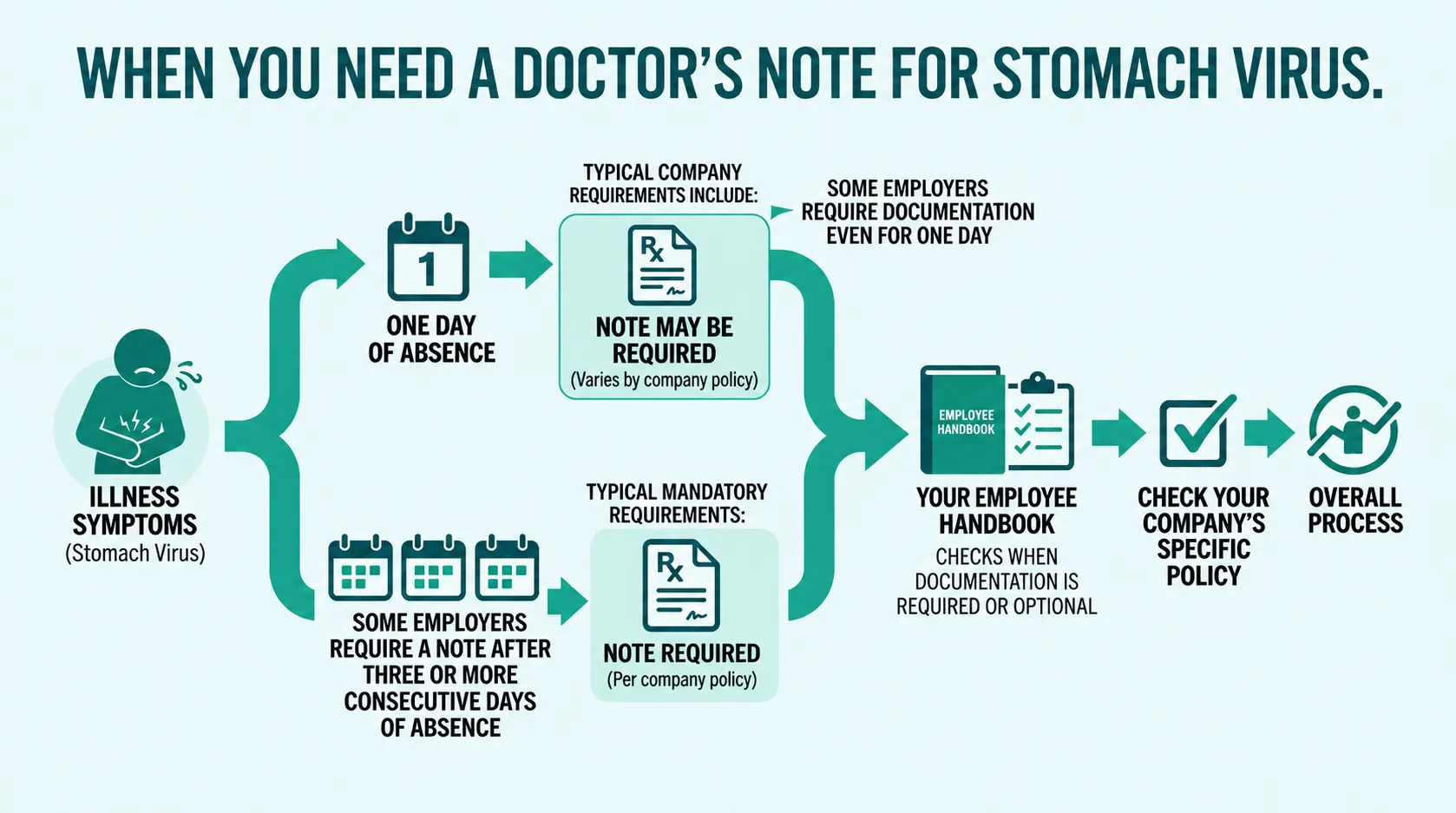
Note requirements for stomach virus absences vary by employer and school. Check your organization’s policy before you assume a note is required. If you need documentation for a work absence, learn more about getting a doctor’s excuse for work.
Workplace Absence Documentation Policies
Each employer sets its own sick leave policy. Some require a doctor’s note for work after one day of absence, while others only ask for one after three or more consecutive days.
Some organizations never require medical documentation for short illnesses. Your employee handbook says when documentation is mandatory and when it’s optional.
Many companies only require a note if you’re requesting paid sick leave or FMLA protection. Unpaid absences often don’t trigger documentation requirements, though this varies by employer.
Review your handbook before your absence ends. This helps you get the right documentation during your medical visit rather than booking a second appointment later.
School and University Illness Requirements
Schools and universities keep their own attendance policies, which differ by education level. Elementary schools often require notes for any absence to track student health and prevent truancy issues.
Colleges and universities typically take a more flexible approach. They may only need documentation for illness lasting more than three days or when you request exam accommodations or assignment extensions.
Submit your note within the timeframe your school sets, usually 48-72 hours after you return. If you miss this deadline, your absence may stay unexcused even with a valid note.
Industry-Specific Documentation Mandates
Food service workers, healthcare professionals, and childcare providers face stricter rules due to public health concerns. These industries often require clearance confirming you’re no longer contagious before you return to work.
The CDC recommends that food workers stay home while sick and for at least 48 hours after norovirus symptoms stop. Employers may also have their own return-to-work rules. Check your workplace policy before returning.
Safety-sensitive jobs may also require fitness-for-duty certification beyond standard absence documentation. It confirms you can safely do your job without risk to yourself or others.
What Happens During Your Medical Consultation
Your medical consultation for a stomach virus follows a structured assessment. This is true whether you visit in person or use telemedicine services like Getmydoctornote.
Symptom Assessment and Medical History
Your physician starts by asking when your symptoms began and how they’ve progressed. You’ll describe how often and how badly you’ve had vomiting, diarrhea, nausea, abdominal pain, and any fever.
The doctor also asks about recent food, sick contacts, and any medications you’ve tried. This history helps tell viral gastroenteritis apart from bacterial infections or food poisoning.
Physical Examination Components
According to the National Institute of Diabetes and Digestive and Kidney Diseases, signs of dehydration can include dry mouth, reduced urination, and dizziness. A doctor may also check your abdomen for tenderness and take your temperature.
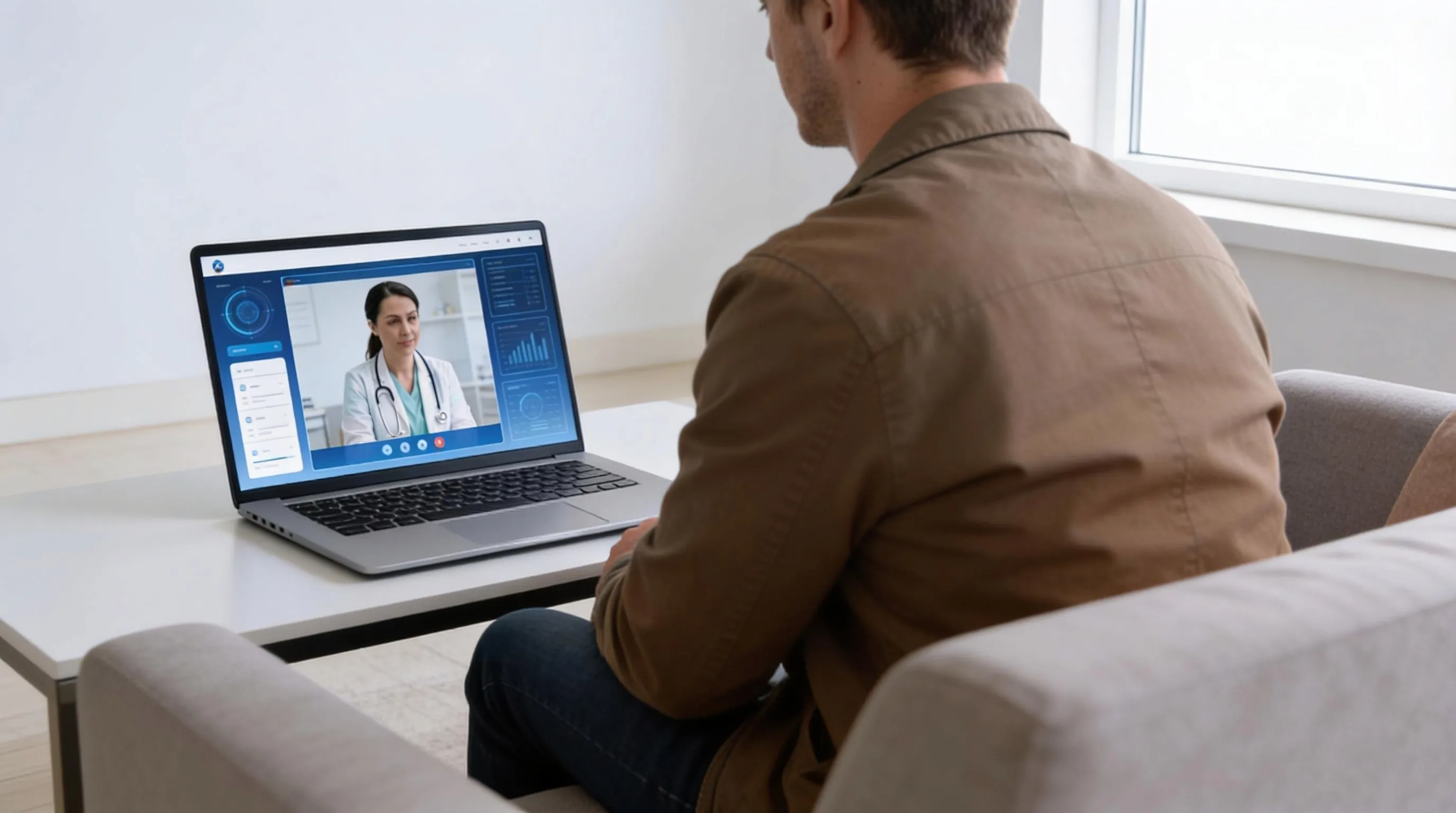
For telemedicine visits, you report these signs yourself while the physician guides you through a visual check by video. This remote evaluation covers the same clinical markers as an in-person exam.
Diagnosis and Treatment Recommendations
Your doctor decides whether your symptoms match typical viral gastroenteritis or whether tests are needed to rule out other conditions. Most stomach virus cases don’t need lab work unless symptoms are severe or last long.
The National Institute of Diabetes and Digestive and Kidney Diseases recommends replacing lost fluids and electrolytes to help prevent dehydration. Some adults may also use over-the-counter medicines to ease symptoms. Ask your doctor which options are right for you.
CDC guidelines recommend staying absent until 48-72 hours after symptoms resolve, especially for food service, healthcare, and childcare workers. Your doctor includes these specific dates in your note.
What Information Your Doctor’s Note Includes
A valid medical note has specific elements. They let your employer or school verify the note is real and understand how long you were absent.
Required Medical and Physician Details
Every legitimate note includes the physician’s full name, credentials, and medical license number. The practice name and contact information appear at the top, so anyone can verify the note with a simple phone call.
This information confirms a licensed medical professional issued the note. Template sites and fake note generators lack these verifiable details, which makes them easy to spot.
At Getmydoctornote, we provide notes from licensed physicians that include all required verification details for employer and school acceptance.
Diagnosis and Absence Period Documentation
Your note identifies you by name and date of birth, along with the visit date. This shows when the medical evaluation took place.
The diagnosis appears in general terms like “acute gastroenteritis” or “stomach virus,” so your privacy stays protected. Specific symptoms, test results, and treatment details are not included.
The note lists the exact dates you were unable to work or attend school. This absence period shows your employer or school how sick day policies apply to your situation and when you’re cleared to return.
Return-to-Work Authorization
The physician’s signature validates the document. It can be handwritten or electronic, depending on how the medical service processes documentation for patients.
The date the physician signed appears next to the signature. This confirms when the note was issued.
Medical offices can verify a note was issued and confirm the dates of service without sharing protected health information. This respects your privacy while giving employers the confirmation they need.
How Employers and Schools Handle Doctor’s Notes
No universal standard exists for accepting medical notes. Each organization sets its own policies, so a note that satisfies one employer might not meet another’s requirements.
Organizational Acceptance Policies
Some workplaces require notes on official letterhead, while others accept electronic notes from telemedicine platforms. Food service, healthcare, and childcare employers often want extra clearance confirming you’re no longer contagious before you return to work.
Schools may require notes within a set timeframe, often 48-72 hours after you return. Submission channels vary: some accept notes through the health office, others through the attendance office or an online portal.
Understanding your organization’s documentation rules helps you prepare the right paperwork before your absence.
Verification Procedures and Contact
Organizations typically verify notes by calling the listed medical office. They confirm the appointment took place and a note was issued for those dates. This protects both employers and employees from fraudulent notes.
Medical offices can confirm basic details without violating your privacy. They’ll verify the appointment date and that a note was provided, but won’t disclose symptoms, diagnoses, or treatment specifics.
When Documentation May Be Rejected
Organizations may reject notes that lack required information, come from unverifiable sources, or don’t match their format requirements. Common reasons include missing physician contact information, unclear absence dates, or notes from template websites rather than licensed physicians.
If your note is rejected, ask what information or format is required. Contact your physician to get a corrected note with all needed elements. Most medical offices will revise notes at no extra charge when the original visit was legitimate.
Your Rights and Employer Verification Boundaries
Your employer can ask for a doctor’s note before excusing your absence or paying sick leave. This is not a HIPAA violation, because you, not a healthcare provider, hand over the note.
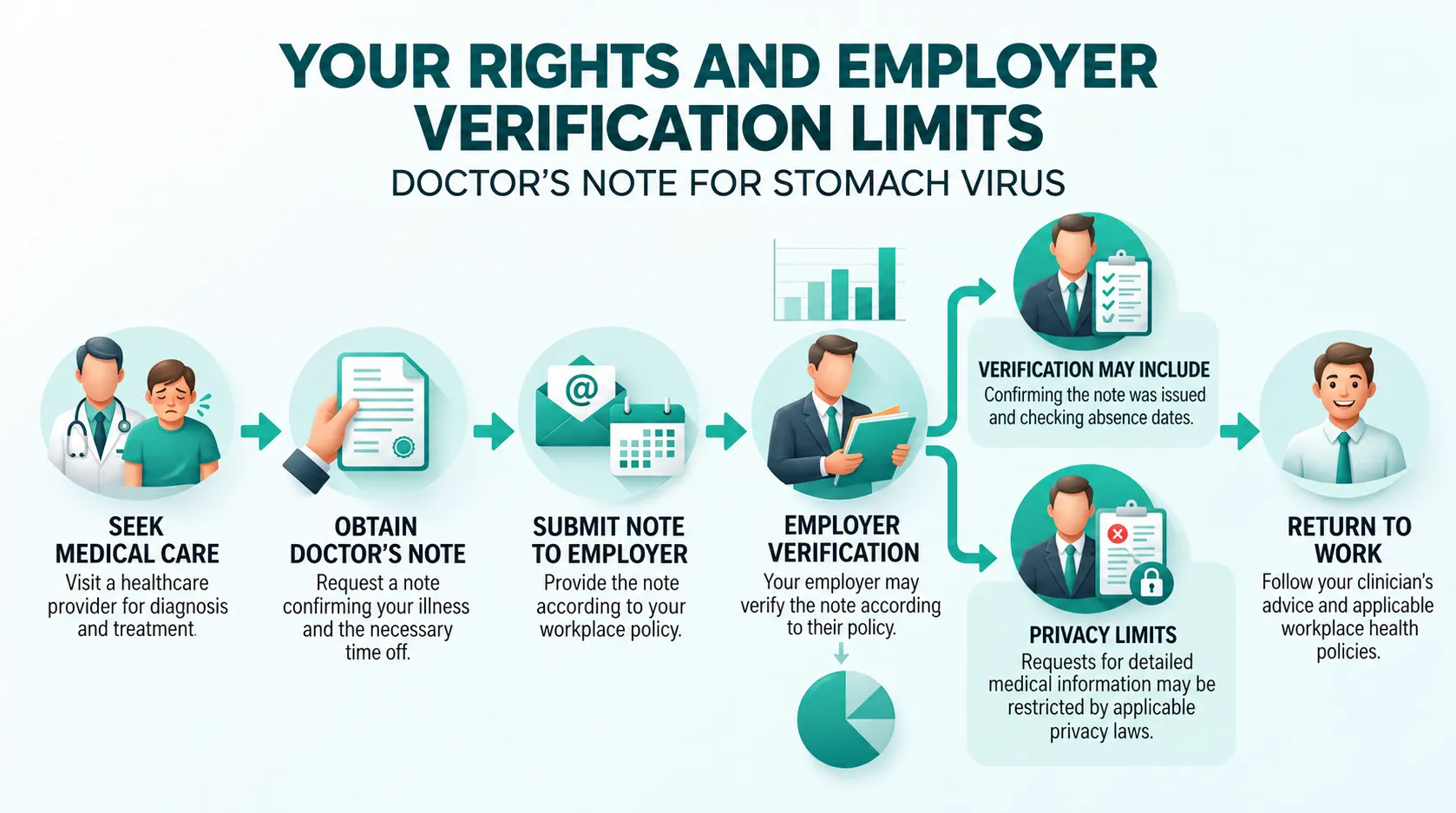
Knowing these limits helps you protect your privacy while meeting workplace rules.
What Employers Can Request
Employers can ask for documentation confirming you were ill and unable to work on specific dates. For qualifying leave under the Family and Medical Leave Act (FMLA), covered employers may require medical certification. The U.S. Department of Labor explains the FMLA medical certification process.
They cannot demand your full medical records, detailed symptom descriptions, or anything beyond what’s needed to verify the absence. A doctor’s note for stomach virus typically includes only a general diagnosis like “acute gastroenteritis,” with no specific symptoms or test results.
For safety-sensitive jobs, employers may require fitness-for-duty certification. It confirms you can safely do your job before you return to work.
Medical Privacy Protections
HIPAA restricts healthcare providers from sharing your medical information without authorization. It doesn’t stop employers from asking you for a note.
State laws may give employees extra protection beyond federal rules. Check your state’s sick leave and medical privacy laws to learn what employers can legally ask for where you live.
If an employer asks for inappropriate medical details, you can decline. Offer to have your physician confirm only the dates of illness and work clearance.
Healthcare Provider Disclosure Limits
When someone verifies your note, medical offices can confirm the appointment date and that a note was provided. They cannot reveal specific symptoms, diagnoses, test results, or treatment details without your written authorization.
This process protects your privacy while letting employers confirm the note is real. Medical staff are trained to give only the minimum information needed during verification calls.
How to Obtain Your Doctor’s Note: Available Options
You have several ways to get a note for a stomach virus. Each has different timeframes and convenience. Your choice depends on how sick you are, how fast you need the note, and whether you can leave home.
Telemedicine Consultations for Same-Day Documentation
Online telemedicine services connect you with licensed physicians 24/7. These virtual visits result in verifiable, physician-signed notes, typically within hours. This option works well when you’re too ill to travel, need a note outside business hours, or want to avoid exposing others in waiting rooms.
Say you start vomiting Sunday night and need a note by Monday morning. Telemedicine can help. A visit at 10 PM can give you a note before your work shift. The physician does the same medical evaluation through video and your reported symptoms.
Urgent Care and Walk-In Clinic Visits
Urgent care clinics accept walk-ins without appointments. Wait times are typically 30-90 minutes, and you get your note when the visit ends. You’ll see a physician who can assess your symptoms and provide a note the same day.
These clinics handle non-emergency problems and stay open evenings and weekends when primary care offices close. Some employers may ask for medical documentation after several consecutive workdays. Check your employee handbook or ask HR when you need a note. This makes urgent care a practical way to get timely proof.
Primary Care and Emergency Room Considerations
Primary care appointments with your regular physician may need booking 1-3 days ahead. They offer continuity of care and an established relationship. Your doctor knows your health history and can better judge whether your symptoms match your usual patterns.
Emergency rooms are appropriate only for severe symptoms: uncontrolled vomiting, signs of severe dehydration, bloody stool, high fever over 104°F, or symptoms that suggest complications. All options provide legitimate notes as long as a licensed physician does the medical evaluation. Whether the visit is virtual or in person doesn’t affect validity.
Getting Started: Steps to Request Your Documentation
Before you contact a healthcare provider, read your employer or school policy. Find out what format and information they require. Some organizations need notes on official letterhead, while others accept electronic notes from telemedicine platforms.
Check whether your workplace requires details like physician contact information, specific date ranges, or return-to-work clearance wording. This prep prevents delays from incomplete documentation.
Preparing for Your Medical Consultation
Gather details about when your symptoms started, how long they’ve lasted, and how bad they are. Note any treatments you’ve tried, such as over-the-counter medications or diet changes.
Write down the dates you missed work or school and the date you need clearance to return. Have your employer or school name ready if the note must go to a specific organization.
For telemedicine visits, have your photo ID ready and find a private spot for the video call. Test your camera and microphone first to avoid tech problems during the visit.
Information to Provide Your Physician
Tell your physician the exact dates of your absence and the date you need to return. Be specific about your symptoms, including how often you vomit, how many times you have diarrhea, your fever levels, and any signs of dehydration.
Explain your job if it involves food service, healthcare, or childcare. According to the CDC norovirus infection control guidelines, these workers need a note confirming they’re no longer contagious before they return to work.
Receiving and Submitting Your Note
After you receive your note, check that it has all required parts: physician information, dates of illness, diagnosis or reason for absence, and signature. Missing details can lead to rejection.
Submit the note the way your organization asks. Some want original documents, while others accept electronic copies or faxed notes.
Keep a personal copy in case questions come up later about your absence dates or medical clearance.
Conclusion
Getting a doctors note for stomach virus means knowing your organization’s rules and choosing the right type of visit. You can get a note within hours through telemedicine or go in person. The note is valid as long as a licensed physician does a real medical evaluation.
Review your workplace or school policy before you seek a note, so you know what it must include. Then pick the visit type that matches your timeline and symptoms. If you’re too ill to travel or need a note after business hours, telemedicine gives you the same physician-signed notes that employers and schools accept.
Need a verifiable note fast? Getmydoctornote connects you with state-licensed physicians around the clock. Online visits produce the documentation your employer or school requires. Get started with a medical evaluation.